Mobile App Development
Apps people keep on their home screen
Twelve years of shipping mobile apps has taught us what separates the kept from the deleted: speed, clarity and doing one job brilliantly. We design and build native iOS/Android and cross-platform Flutter & React Native apps — from first wireframe to store launch to the version-12 update.
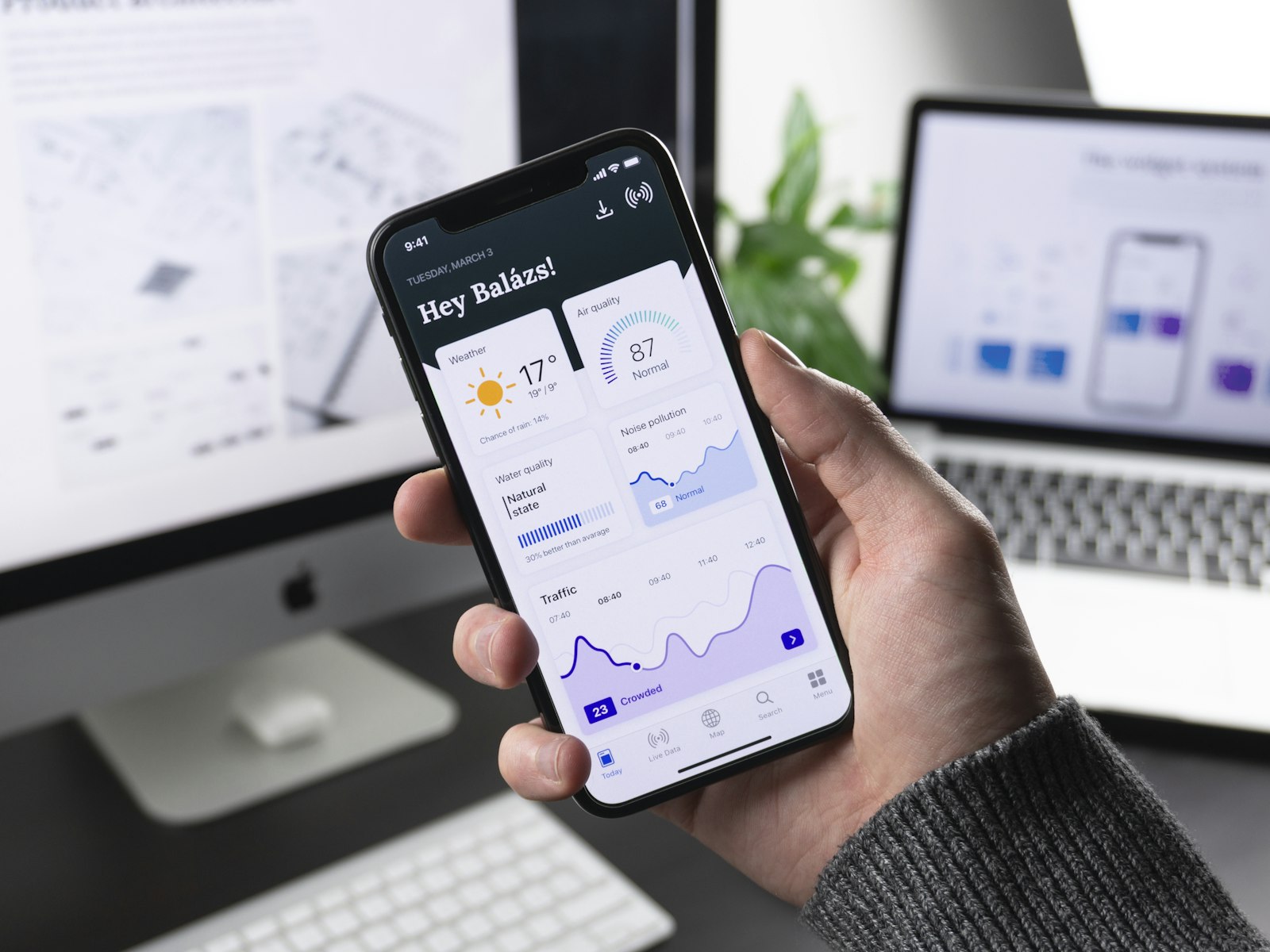
An app is the most intimate real estate a business can occupy — a spot on the customer's home screen — and the least forgiving: slow or confusing apps get deleted in minutes, taking the acquisition cost with them. Twelve years of shipping to both stores taught us one bias: fewer features, executed superbly, beat feature lists every time.
Half of every good app is invisible — APIs, auth, push, payments, admin panels — designed alongside the app, not bolted on. And launch is the midpoint, not the finish: monitoring, OS-update maintenance and iterative releases are how apps compound instead of decay.
The platform decision
Native vs Cross-platform — honestly
Cross-platform (Flutter / RN)
The right default- One codebase → iOS + Android, ~65% of the cost
- 95% of native feel for most business apps
- Faster iteration — one fix ships everywhere
- Our recommendation for most MVPs and business apps
Native (Swift / Kotlin)
When the app demands it- Heavy real-time graphics and games
- Deep hardware: sensors, background services, AR
- Platform-first UX that must feel invisible
- Performance ceilings cross-platform can't reach
We build both, so our advice isn't a sales pitch. Tell us the idea; we'll tell you which side of the line it falls on — and why.
Capabilities
What's included in mobile app development
Native iOS & Android
Swift and Kotlin apps when you need maximum performance, platform-native feel, and deep hardware access — camera, sensors, background services.
Cross-platform (Flutter / React Native)
One codebase, both stores, 40% less cost — the right choice for most startups and business apps. We'll tell you honestly which approach fits.
Product design & UX
User flows, wireframes and pixel-perfect UI designed around how people actually hold and use phones — not around desktop mockups.
Backend & APIs
The invisible half of every good app: scalable APIs, real-time sync, push notifications, payments and analytics — built and hosted right.
App store launch
Store listings, screenshots, review-guideline compliance and phased rollout — we've shipped through Apple review enough times to avoid the landmines.
Ongoing support & growth
Crash monitoring, OS-update maintenance, A/B-tested improvements and feature roadmaps. An app is a product, not a project.
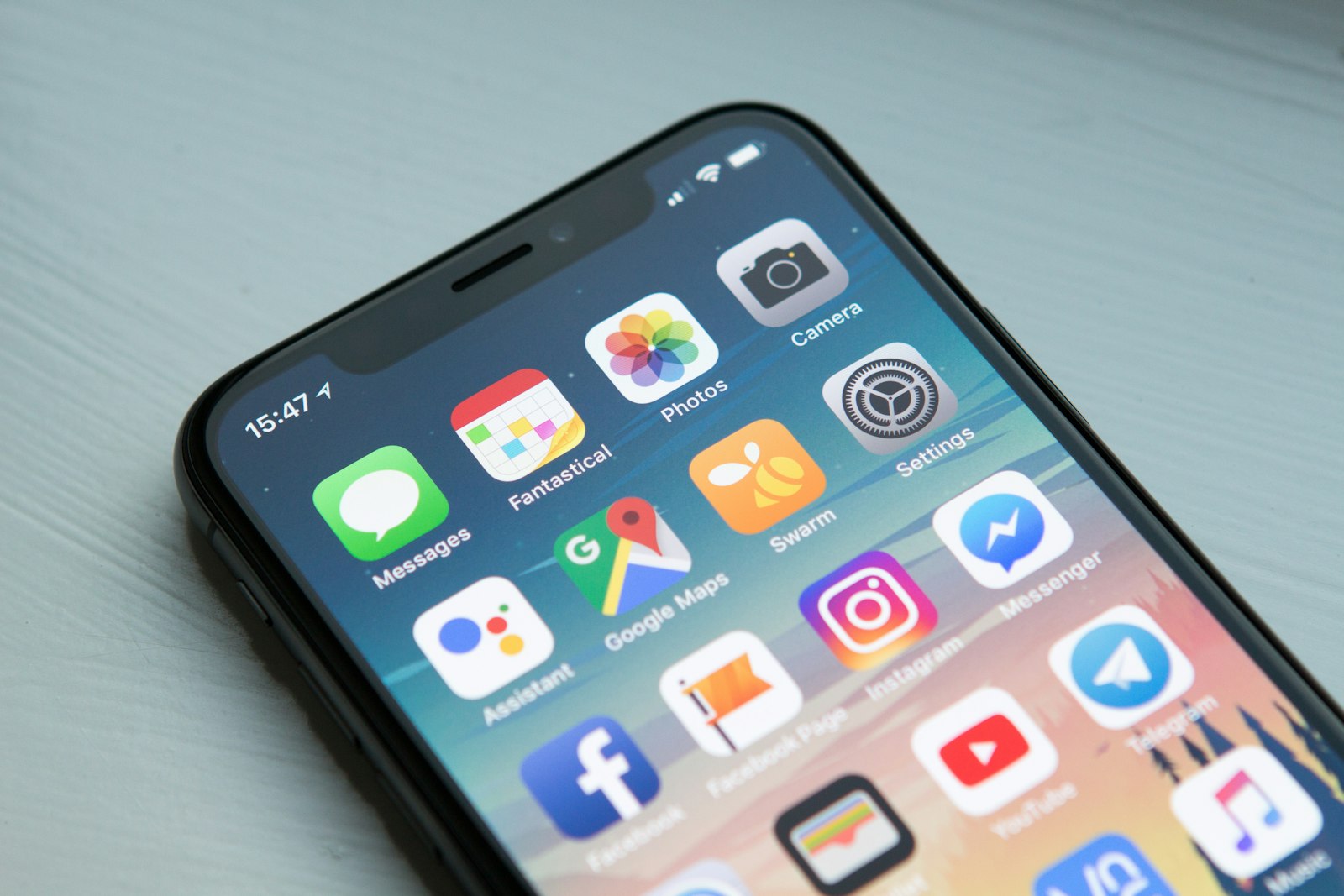
Design for thumbs, not decks
Flows and UI validated on real devices in real hands — reachability, one-handed use, interruptions, flaky networks. The details that decide whether an app is kept.
How we deliver
From idea to shipped
Shape the MVP
Cut the idea to the smallest version that proves value — the discipline that separates launched apps from eternal projects.
Design for thumbs
Flows, wireframes and pixel-final UI validated on devices, not just in Figma.
Build in milestones
Working software on your device every couple of weeks via TestFlight / internal tracks.
Launch properly
Store listings, review compliance, phased rollout, crash monitoring.
Grow release by release
Analytics-driven iteration and OS-update maintenance, so the app compounds.
Industries we serve
Technology we use
FAQ
Questions we hear a lot
Native or cross-platform — which should we choose?
For most business apps, Flutter or React Native delivers 95% of native quality at substantially lower cost. We recommend native when you need heavy real-time graphics, advanced hardware integration or platform-first UX. We'll advise based on your roadmap, not our preference.
How much does an app cost to build?
An MVP typically ranges from a focused 8–12 week build; complex products more. We scope in milestones with working software at each one, so you're never buying a black box.
Do you sign NDAs and who owns the code?
We sign NDAs before hearing your idea if you wish, and you own 100% of the code and IP on completion — repositories, store accounts, everything.
Do you provide support after launch?
Yes — every launch includes a free support window, and most clients continue with a monthly retainer covering monitoring, OS updates and iterative improvements.